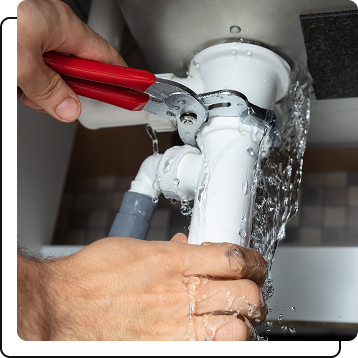
What Is Included in Professional De-Winterization?
Our plumbing winterization services help protect your home’s water infrastructure from the cold. It can include turning off your home’s water supply, adding antifreeze, and insulating vulnerable pipes. De-winterization of your home’s plumbing involves important steps to ensure a smooth restoration of your home’s water supply. It begins with an inspection of your home’s exposed water infrastructure. That includes supply lines, sink drains, toilets, outdoor faucets, and appliance connections. At that point, our plumber will let you know if any repairs are needed. If winterization included disconnecting appliances or fixtures, our plumber will reconnect them before proceeding.
The next step in the process is the reopening of individual fixture shutoff valves and turning on one of your home’s faucets. That provides a critical means of pressure relief during the restoration process. After that, our plumber will open your main water supply valve approximately halfway. That lets water slowly and safely reenter your plumbing. Proceeding with care can prevent damage to fixtures, fittings, and pipes. Once our plumber confirms there are no problems, they’ll open the valve fully. If your winterization included antifreeze protection for your pipes and drains, our plumber will flush your pipes. Then, they’ll reexamine your plumbing for signs of trouble or leaks before giving you the go-ahead to use it.
Professional de-winterization has the following benefits:
- Prevents damage to your home
- Extends plumbing lifespan
- Avoids costly repairs
- Provides peace of mind
Signs Your Plumbing System Should Be Checked Before Reopening
If you’re considering skipping professional de-winterization, you’d be wise to exercise caution before reopening your plumbing. In particular, you should look for signs of damage before turning anything back on. That can provide an opportunity to schedule repairs to prevent further issues. Be especially aware of visible cracks in sink drains or other exposed pipes. You should also check your fixtures for signs of damage that could lead to leaks. And after you turn your plumbing back on, beware of drain issues that may indicate problems with your sewer line. For example, if multiple drains in your home run slowly, you might have a sewer issue. It’s important to remember that the freeze-thaw cycle can cause ground shifts that harm sewer lines. Hidden freeze damage there often necessitates a sewer line replacement in the spring.
You should also look for the following signs that you need your plumbing checked after winter:
- Visible leaks
- Low water pressure
- Fixtures not running correctly
- Unusual noises